

🚨 Why GLP-1 Medications Are Game-Changers — But Not Yet Equitable
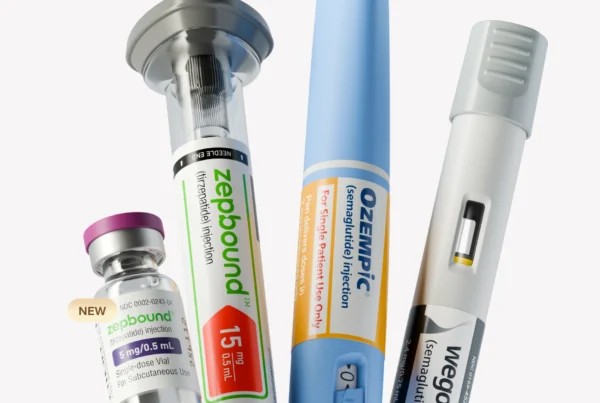
GLP-1 receptor agonists (like semaglutide and tirzepatide) deliver powerful, scalable outcomes in both weight loss and cardiometabolic health—serving as transformative tools in treating diabetes and obesity. They offer near-surgical levels of weight loss, reduced heart disease risk, improved glucose control, and benefits for fatty liver and joint health .
However, despite their medical potential, unequal access and high costs risk deepening longstanding healthcare disparities. Black patients, for instance, are up to 19% less likely to receive these prescriptions compared to White patients—even when insured and clinically eligible. Latino patients face similar inequities at 9% lower rates . This gap persists even among commercially insured individuals, pointing to entrenched structural and provider biases .
💸 What’s Behind the Divide?
- Financial barriers: List prices can exceed $1,000/month, with limited coverage—especially under Medicare or Medicaid—excluding many from treatment .
- Complex patent strategies by manufacturers have prolonged exclusivity, delaying affordable, generic options for years .
- Provider bias and low health literacy reinforce gaps: limited access to specialized care, persistent stigma, and poor communication deter treatment for marginalized groups .
🧩 The Path Forward
Broader access to GLP-1s could fundamentally reshape obesity and chronic disease care—but only if equity is prioritized. Strategies include:
- Expanding insurance coverage and benefits design
- Investing in provider education on obesity medicine and implicit bias
- Transparency in affordability and the rise of generics over time .
Ultimately, GLP-1s have immense potential. But without intentional reform, their benefits will remain limited to those with means—not those who need them most.